Lottery Through the Ages: Cultural Differences and Their Significance


Lottery Through the Ages: Cultural Differences and Their Significance
For centuries, lotteries have captured the human imagination — a blend of chance, hope, and the dream of sudden transformation. From the first civic draws in Renaissance Europe to today’s multimillion-pound jackpots and online raffles, the lottery has evolved alongside society’s values and technologies. But beyond the numbers and prizes, lotteries reveal much about how different cultures understand luck, fairness, and aspiration.
From Renaissance Fundraisers to National Institutions
The earliest recorded lotteries in Europe appeared in the 15th and 16th centuries, in cities such as Florence and Bruges, where they were used to fund public works like bridges and hospitals. In Britain, the first state lottery was launched in 1569 under Queen Elizabeth I, with proceeds supporting the repair of harbours and other public projects. Tickets were expensive, and prizes included not only money but also valuable goods — a reflection of the era’s blend of commerce and civic duty.
Over time, lotteries became a way for governments to raise funds without imposing new taxes. Yet they also sparked moral debate: was it right to encourage citizens to gamble on dreams of wealth, when the odds were so slim? This tension between public benefit and personal risk has accompanied the lottery ever since.
Cultural Views on Luck and Fate
Attitudes toward lotteries are deeply shaped by cultural ideas about luck and destiny. In much of the Western world, luck is often seen as random — a force that can suddenly change one’s fortunes. The lottery, then, becomes a symbol of individual hope and the possibility of social mobility. In Britain, this idea resonates with the notion of “a fair chance” — that anyone, regardless of background, might one day strike it lucky.
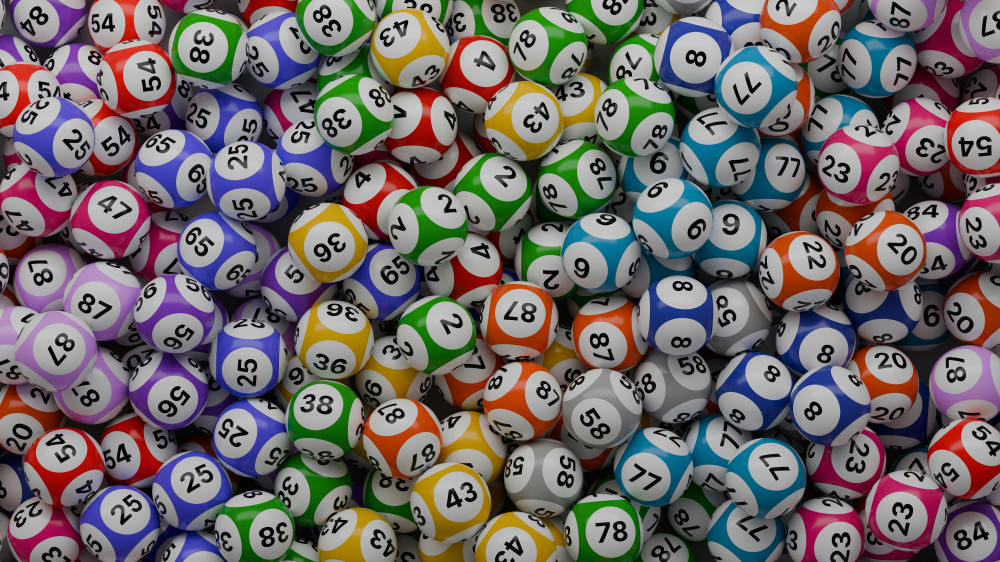
In contrast, in many East Asian cultures, luck is intertwined with harmony, balance, and cosmic order. Numbers carry symbolic meanings, and choosing them can be a ritual act rather than a random selection. In China, for example, the number eight is associated with prosperity, while four is often avoided because it sounds like the word for death. Such beliefs shape how people play — and how they interpret winning or losing.
In the United States, the lottery has long been linked to the “American Dream,” representing the hope of upward mobility through luck rather than labour. In Britain, the tone is often more modest — a flutter for fun, a shared moment of anticipation rather than a life strategy.
The Lottery as a Social Mirror
Lotteries also reflect the societies that create them. In times of economic uncertainty, ticket sales often rise, as people seek a glimmer of hope amid financial strain. Critics argue that lotteries can disproportionately affect lower-income groups, who may spend more of their limited resources chasing improbable rewards. Supporters, however, see them as a voluntary form of entertainment that also funds good causes.
In the UK, the National Lottery — established in 1994 — has become a cornerstone of public life. A significant portion of its revenue supports arts, heritage, sport, and community projects. This model, which combines entertainment with social benefit, distinguishes the British approach from more commercially driven systems elsewhere.
From Paper Tickets to Digital Dreams
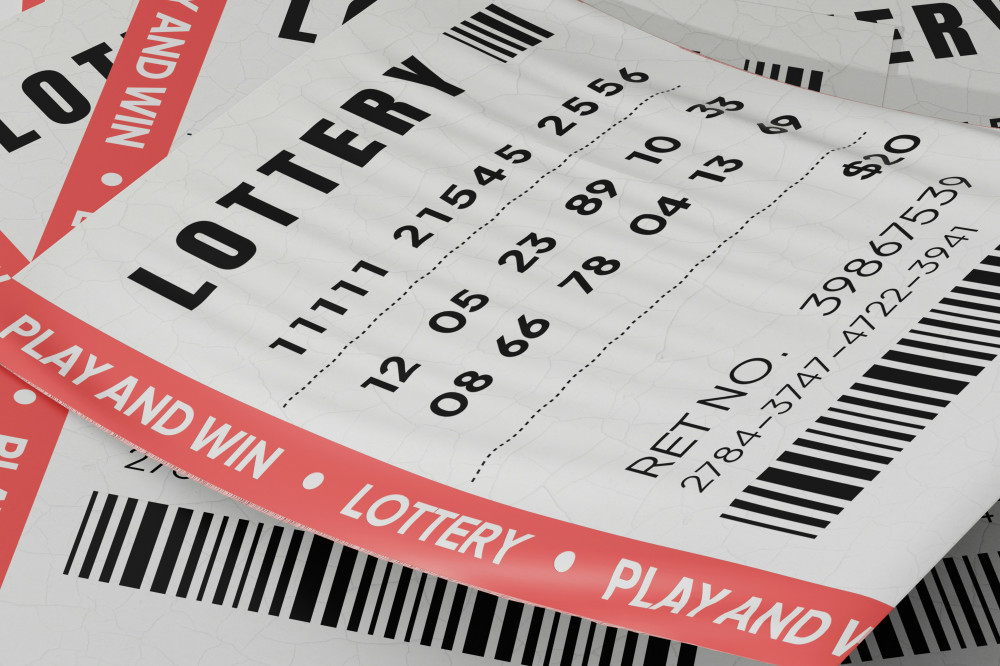
Technology has transformed how we play. Where once people queued at the corner shop to buy a ticket, today they can enter draws with a few taps on a smartphone. Online platforms have made lotteries global, with international jackpots attracting players from across continents.
Yet digitalisation also raises new questions about responsibility and regulation. Governments and operators now face the challenge of ensuring transparency, preventing addiction, and protecting vulnerable players. Tools such as self-exclusion schemes and spending limits are part of a broader effort to balance freedom with care.
Læs også:


The Cultural Meaning of the Lottery Today
Despite centuries of change, the essence of the lottery remains the same: the dream that life might change in an instant. In some cultures, it is a collective ritual — families or colleagues sharing tickets and watching the draw together. In others, it is a private moment of hope, a small rebellion against the predictability of everyday life.
Ultimately, the lottery is more than a game of chance. It is a cultural mirror, reflecting how societies understand luck, fairness, and aspiration. Whether played for fun, for charity, or for the faint hope of fortune, the lottery continues to remind us of humanity’s enduring desire to find meaning — and maybe a little magic — in the unpredictable.
Læs også: