Texas Hold’em, Omaha or Seven Card Stud? Find your favourite poker variant


Texas Hold’em, Omaha or Seven Card Stud? Find your favourite poker variant
Poker is one of the world’s most popular card games – and for good reason. It blends strategy, psychology and luck in a way that makes every hand unique. But poker isn’t just one game. There are many variants, each with its own rhythm, tactics and level of complexity. The three most famous are Texas Hold’em, Omaha and Seven Card Stud. Here’s a guide to help you find the version that best suits your playing style.
Texas Hold’em – the modern classic
If you’ve ever watched poker on television, chances are it was Texas Hold’em. It’s the most widely played variant in both live tournaments and online poker rooms.
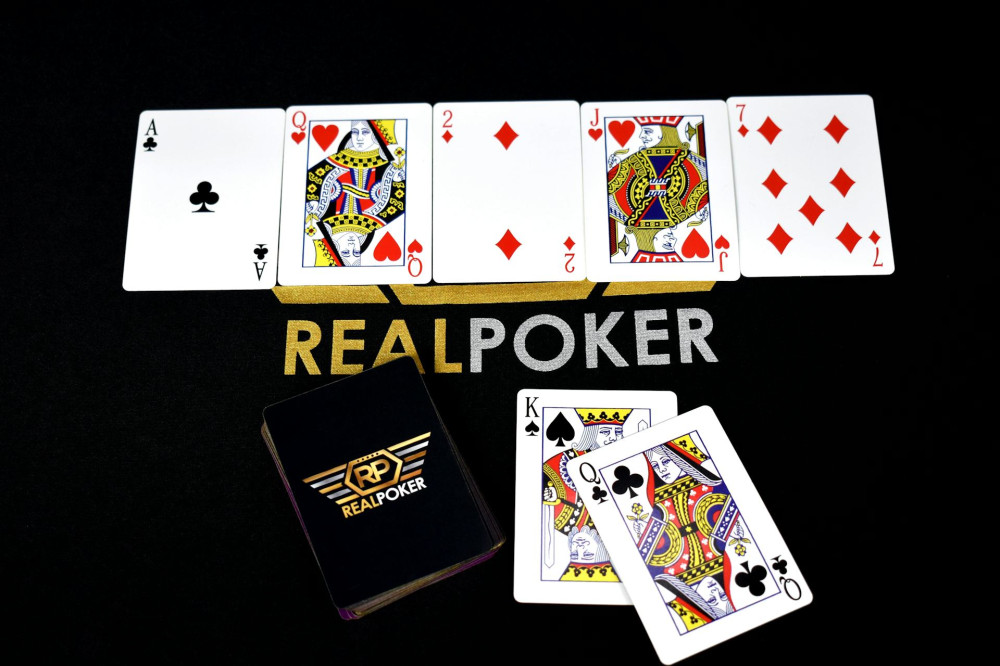
Each player receives two private cards, and five community cards are dealt face up in three stages: the flop, turn and river. The goal is to make the best five-card hand by combining your own cards with the community cards.
Texas Hold’em is easy to learn but hard to master. Success depends not only on the cards but also on reading your opponents, calculating odds and knowing when to bet – and when to fold. Patience and timing often beat pure luck.
Best for players who: enjoy strategy, psychology and a game full of subtle decisions. Ideal for both beginners and experienced players.
Læs også:




Omaha – more action, more possibilities
Omaha is similar to Texas Hold’em but with one key difference: you get four hole cards instead of two. You must, however, use exactly two of your own cards and three of the community cards to make your hand.
This rule creates far more possible combinations – and therefore more action. Pots tend to be larger, and the game demands a sharp sense of probability. Many players find Omaha more unpredictable, as stronger hands appear more frequently.
The most popular version is Pot-Limit Omaha (PLO), where you can only bet up to the size of the current pot. This keeps the game exciting while maintaining a balance between risk and control.
Best for players who: already know Texas Hold’em and want a faster, more complex game with bigger swings.
Seven Card Stud – the traditional challenge
Before Texas Hold’em took over the poker world, Seven Card Stud was the dominant form of the game. There are no community cards here. Instead, each player receives seven cards – some face up for everyone to see, and some face down for your eyes only.
Seven Card Stud requires strong concentration and memory, as you need to keep track of which cards have been shown and what hands your opponents might be building. There’s less bluffing than in Hold’em, but patience and observation are richly rewarded.
It’s often played in a fixed limit format, where the betting amounts are predetermined. This makes the game more controlled and less volatile.
Best for players who: appreciate classic poker, logical thinking and a slower, more deliberate pace.
Which variant should you choose?
Your choice depends on what you’re looking for in poker:
- Want a fast-paced game with plenty of decisions? Try Texas Hold’em.
- Prefer more complexity and bigger pots? Omaha could be your match.
- Enjoy a mental challenge and a calmer tempo? Give Seven Card Stud a go.
Many players start with Texas Hold’em and later explore Omaha or Stud when they’re ready for something new. Whatever you choose, remember to play responsibly and keep the focus on fun.
Getting started
If you’re new to poker, begin with free online games or friendly home sessions. This lets you learn the rules and develop your strategy without financial pressure.
Once you’re comfortable, try small-stakes tables or local tournaments. Most online poker sites available in the UK offer all three variants, so you can experiment and discover your favourite.
Experience is key in poker. The more you play, the better you’ll become at reading situations, understanding probabilities and making smart decisions.
The charm of poker – more than just cards
No matter the variant, poker is about more than winning money. It’s a social game that teaches strategic thinking, emotional control and an understanding of human behaviour. That combination is what has made poker a timeless pastime, loved by millions around the world.
So next time you sit down at the table – whether online or in person – try a new variant. You might just find that your favourite isn’t the one you expected.
Læs også: