Roulette in Language: When the Game Shapes Our Expressions

Roulette in Language: When the Game Shapes Our Expressions
When we say someone is “playing fast and loose with the truth” or that they’ve “put all their eggs in one basket,” we rarely stop to think about how deeply the language of risk and chance runs through our everyday speech. Games of luck and strategy have long been part of British culture – from the gaming tables of Georgian London to the online casinos of today – and their influence has spun far beyond the gambling halls. Roulette, poker, and card games have not only entertained us but also given us vivid metaphors for life’s unpredictability, risk, and reward.
From the Casino Floor to Everyday Conversation
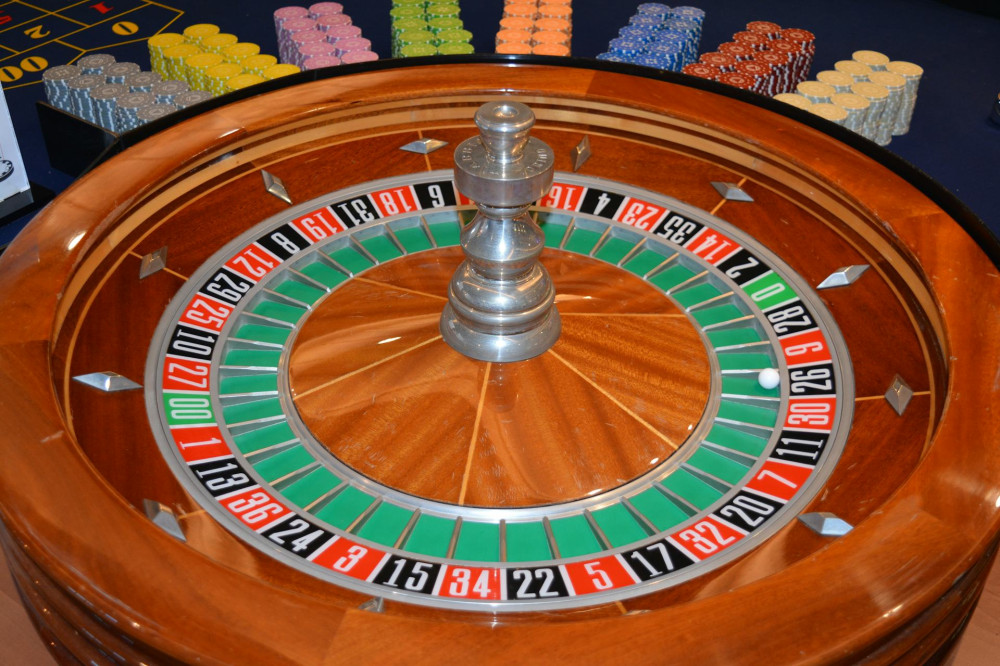
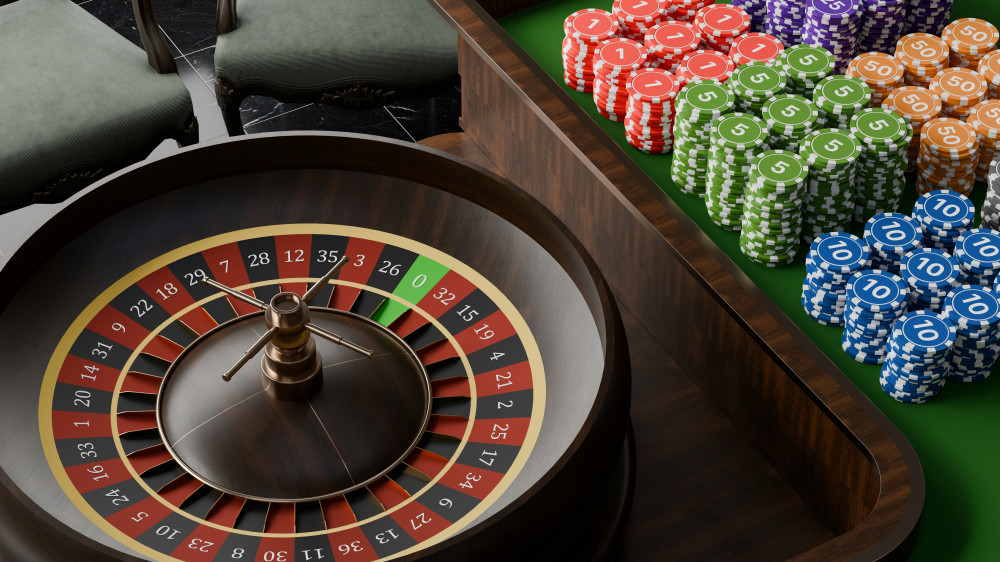
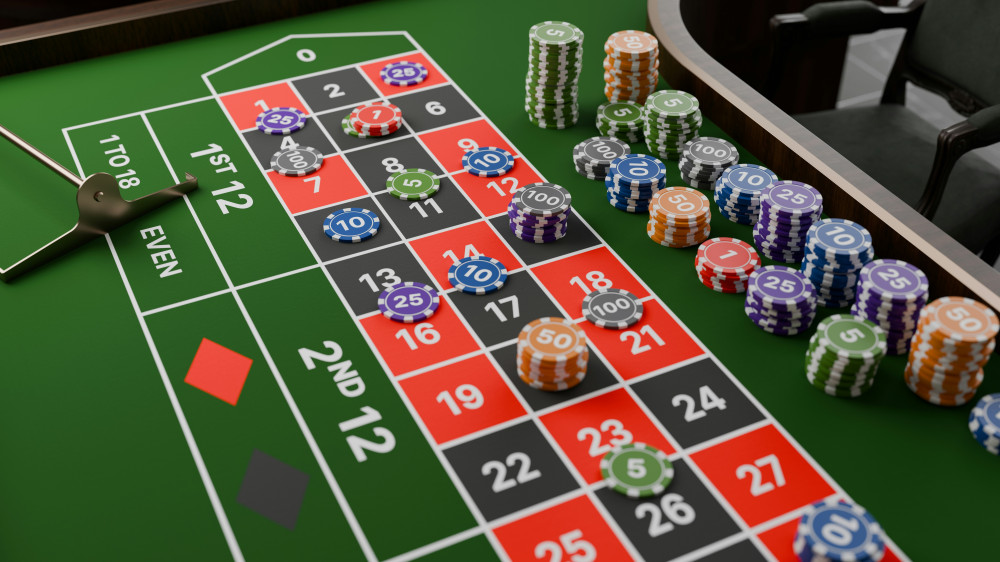
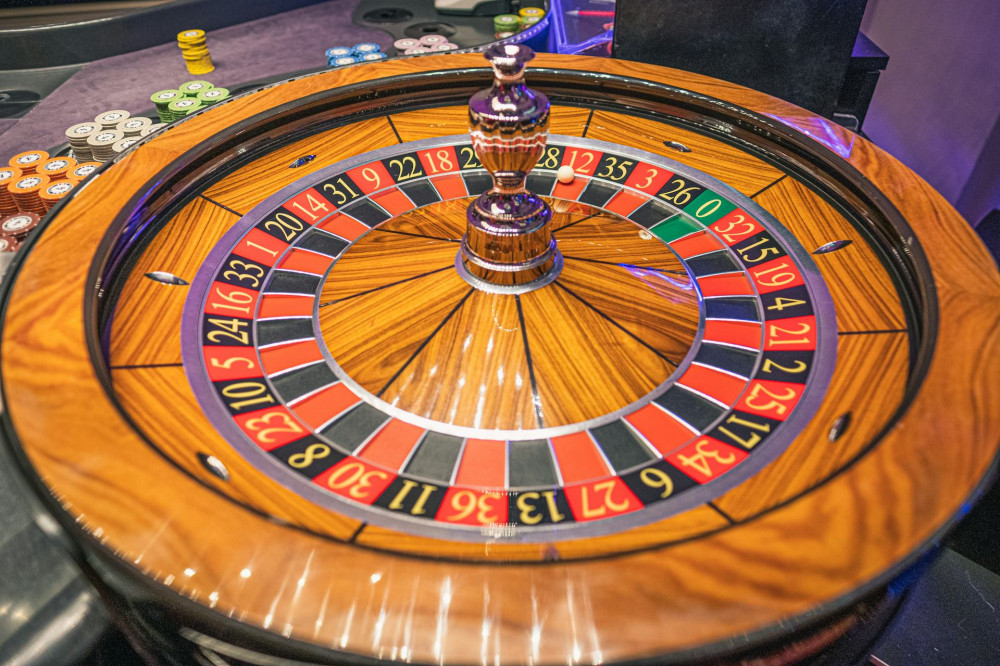
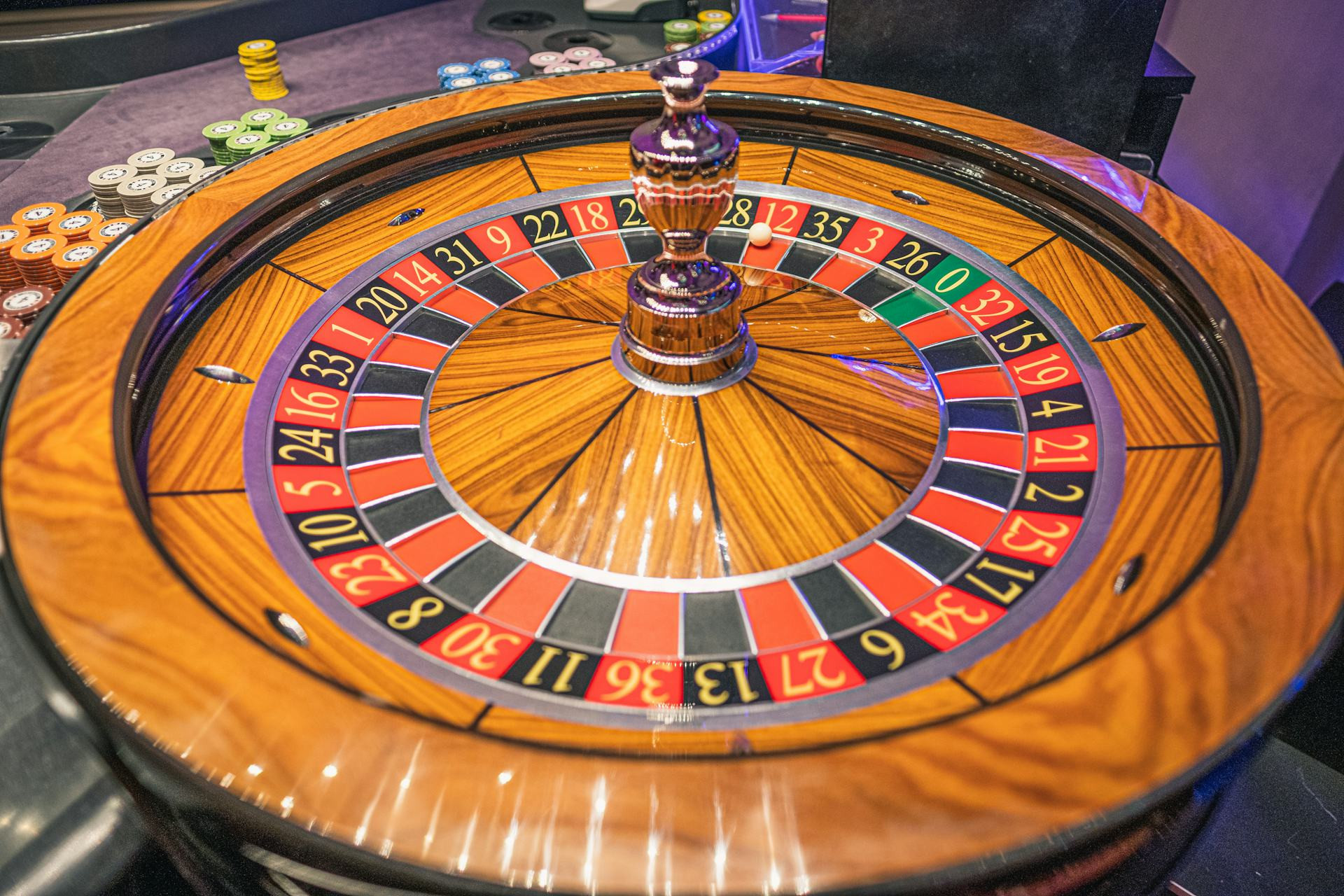
Roulette is perhaps the ultimate symbol of chance. The spinning wheel, the bouncing ball, the suspense before it lands – it’s no wonder we use it as a metaphor for situations where the outcome is out of our hands. When someone says, “It’s pure roulette,” they mean it’s completely unpredictable, just like the game itself.
Card games have left their mark too. Expressions such as “to have an ace up one’s sleeve” or “to play one’s cards right” no longer refer to literal cards but to strategy, preparation, and timing. We use them in business, politics, and personal relationships – any situation where risk and calculation meet.
The Language of Risk and Reward
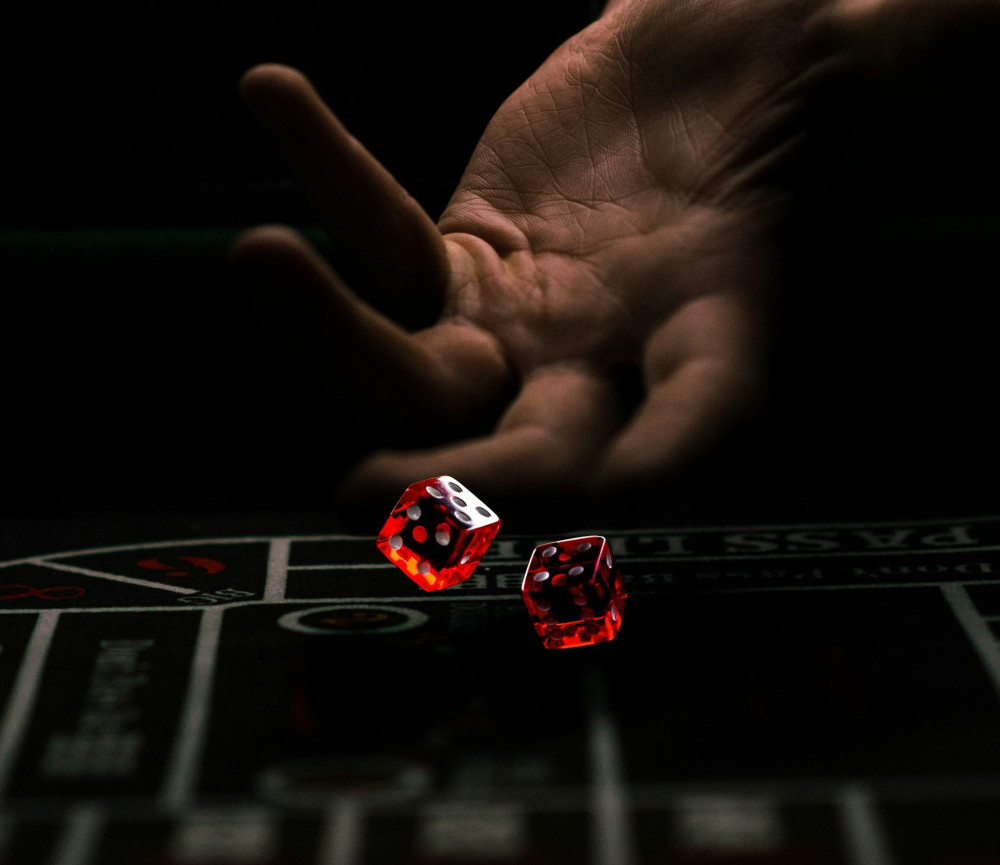
There’s something inherently captivating about risk, and our language reflects that fascination. To “take a gamble” or “roll the dice” doesn’t necessarily imply recklessness; it can also suggest courage, ambition, or a willingness to embrace uncertainty. These expressions give us a way to talk about moments when we can’t control everything but choose to act anyway.
In British culture, luck and fate have always been intertwined. From the old saying “fortune favours the brave” to the idea of “the wheel of fortune,” we use the imagery of games to describe life’s twists and turns. Roulette, in particular, captures that sense of surrender to chance: we can decide where to place our bets, but not where the ball will fall.
Læs også:


When the Game Becomes Part of Identity
Language mirrors society, and in a time when betting shops, online gaming, and televised poker are part of everyday life, new expressions continue to emerge. We talk about “gambling with one’s career,” “hedging one’s bets,” or “going all in” – phrases that have moved far beyond the casino. Even in love, we might “take a punt” or “play our cards close to our chest.”
These expressions show that gambling language isn’t just about money; it’s about choice, risk, and hope. They give us a shared vocabulary for those moments when we face uncertainty and must rely on both instinct and luck.
A Language That Keeps on Spinning
Roulette and other games of chance have given us more than entertainment – they’ve given us a way to talk about life itself. When we use gambling metaphors, we bring drama, tension, and colour to our speech. Perhaps that’s why they endure: they capture something fundamentally human about risk, hope, and the thrill of not knowing what comes next.
So the next time you hear someone say that “life’s a gamble,” think of the roulette wheel still spinning – a perfect image for a language, and a life, that never quite stands still.
Læs også: