Roulette and Statistics: Why the House Always Has the Edge in the Long Run


Roulette and Statistics: Why the House Always Has the Edge in the Long Run
Roulette is one of the most recognisable casino games in the world. The simple idea – predicting where the ball will land on the spinning wheel – has captivated players for centuries. Yet behind the glamour, the spinning wheel, and the many betting systems people swear by, lies an unshakable mathematical truth: the house always has the edge. No matter how lucky you feel or how long you play, probability ensures that, in the long run, the casino comes out ahead. Here’s why – and how statistics explain it.
A Game Built on Probability
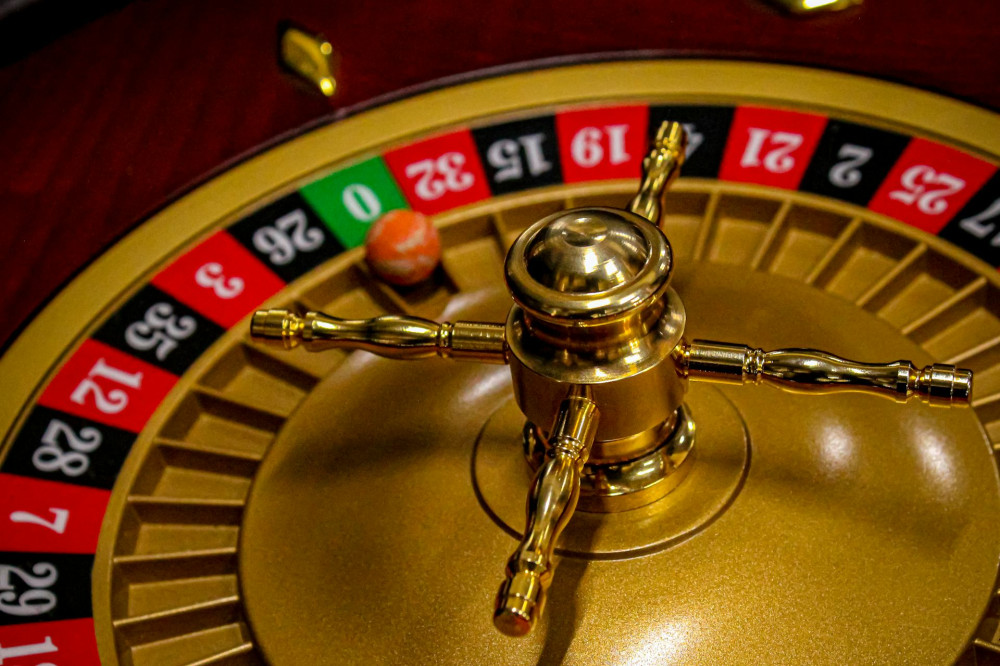
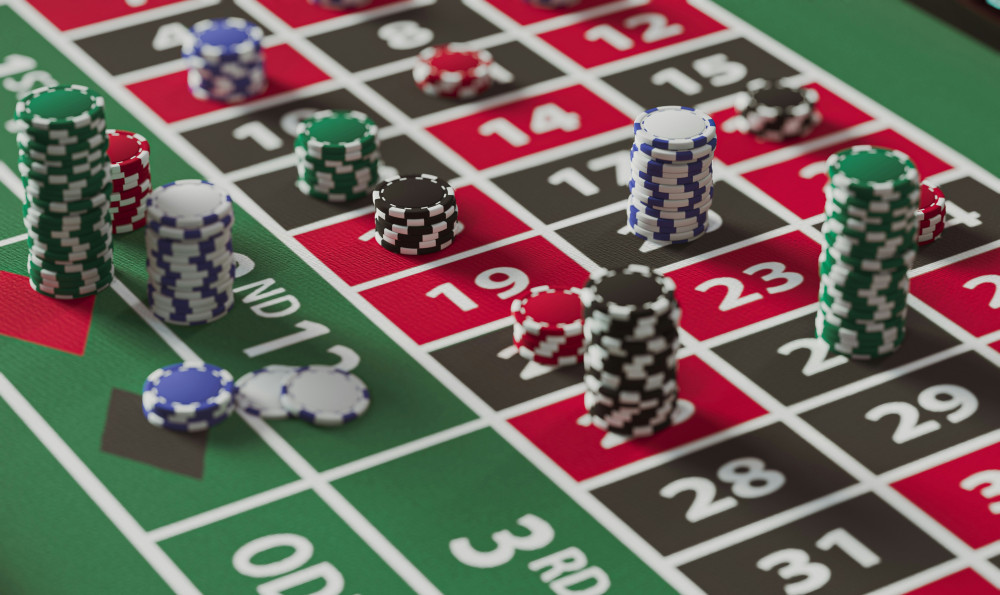
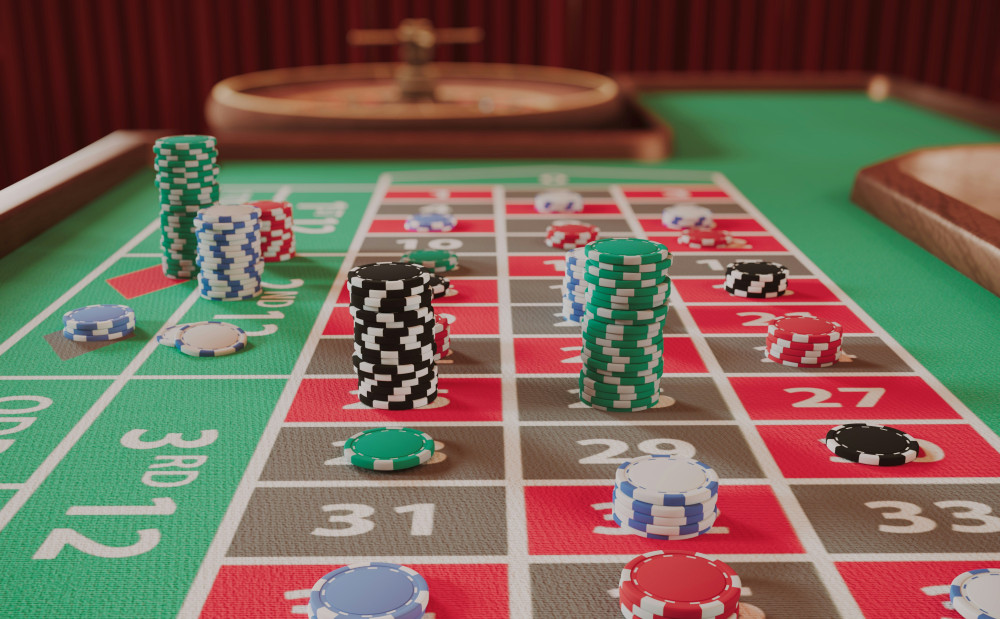
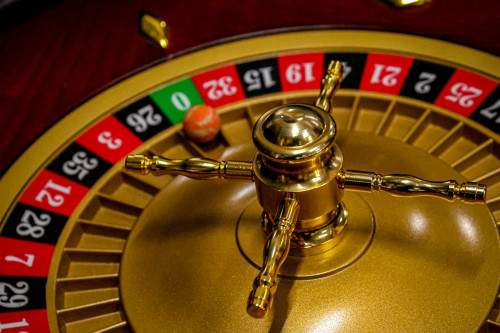
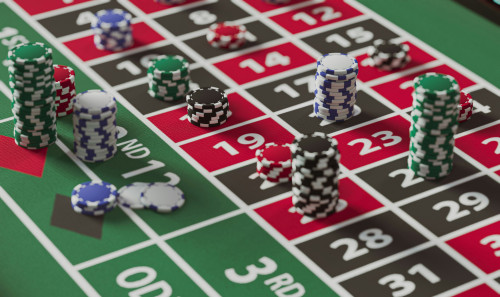
A roulette wheel is divided into numbered pockets, typically from 0 to 36. In European roulette, there is one green zero; in American roulette, there are two – 0 and 00. Players can bet on individual numbers, colours (red or black), odd or even numbers, or groups of numbers. Each spin is random, but the structure of the wheel gives the casino a small but crucial advantage.
Every number has the same chance of being selected, but the inclusion of the green zero (or two in the American version) slightly tilts the odds in favour of the house. That’s where the casino’s edge comes from.
Understanding the House Edge
Let’s take a simple example: betting on red. There are 18 red pockets, 18 black ones, and one green zero on a European wheel. The probability of winning is therefore 18 out of 37 – about 48.6%. If the game were perfectly fair, you would win as often as you lose, and the payouts would balance out over time. But because of that single green zero, the casino wins, on average, 2.7% of all money wagered. This is known as the house edge.
In American roulette, with its extra double zero, the house edge rises to about 5.26%. That means that for every £100 bet, the casino expects to keep between £2.70 and £5.26 in the long run. It may not sound like much, but over thousands of spins, it adds up to a significant profit.
Læs også:

Why Betting Systems Don’t Beat the Odds
Many players try to overcome the house edge with betting systems such as the Martingale, where you double your stake after each loss, or the Fibonacci sequence, which follows a mathematical pattern. These systems can create short-term excitement and occasional wins, but they don’t change the underlying probabilities.
Roulette is an independent game – each spin is completely separate from the last. The ball has no memory. Even if the wheel has landed on black five times in a row, the chance of red on the next spin remains exactly the same. This misconception is known as the gambler’s fallacy – the false belief that past outcomes influence future ones.
The Long-Term Mathematics
In the short term, luck can make anyone a winner. A player might hit the right number several times in a row and walk away with a tidy profit. But over time, the mathematics always reasserts itself. This is explained by the law of large numbers: the more times a game is played, the closer the actual results will align with the theoretical probabilities.
In roulette, that means the house edge of 2.7% (or 5.26% in American roulette) will inevitably show itself over many spins. That’s why casinos can offer roulette around the clock and still make money, regardless of how many players win in the short term.
European vs. American Roulette – A Key Difference
If you’re playing in a British casino or online, you’ll most often encounter European roulette, which has only one zero and therefore a lower house edge. American roulette, with its extra double zero, nearly doubles the casino’s advantage.
Some casinos also offer French roulette, which includes special rules such as La Partage or En Prison. These can reduce the house edge even further when the ball lands on zero, making it the most player-friendly version of the game.
Roulette as Entertainment, Not Investment
Roulette should be enjoyed for what it is – a game of chance and entertainment. The statistics make it clear that no system or strategy can guarantee long-term profit. The best approach is to play responsibly, set limits, and treat the game as a form of leisure, not a way to make money.
Understanding the mathematics behind roulette doesn’t make it less exciting – it makes it more fascinating. You can appreciate how probability shapes every spin and why, in the end, the house always wins – not because it cheats, but because the rules are designed that way.
Læs også: